

DIPOLOG CITY, Zamboanga del Norte – We wanted to visit the Provincial Capitol of Zamboanga del Norte, but unfortunately, the building was being renovated. Across the capitol, we were surprised to see a Chinese restaurant, Classic Dimsum.
It was 4:00pm and it was just the right time for an afternoon merienda. We ordered Steamed Siomai (four pieces at Php 30.00) and Bola Siopao (Php22.00). Though there was really nothing extraordinary about them, they were good enough to satisfy your craving for authentic Chinese dimsum.

They also serve noodles, congee, rice toppings, hot pots, and other Chinese classic dishes. According to the staff, their best sellers are their seafood dishes, especially the crab dishes. The restaurant is owned by a Chinese businessman based in Dipolog.
When we were about to finish our dimsum, two “politician-looking” men escorted by four armed soldiers entered the restaurant. They seem to be frequent customers of Classic Dimsum as they already know what to order even without looking at the menu. Their order also included steamed siomai.
Reference: http://www.pinasmuna.com/search/label/Food%20Trip

DAVAO CITY, Davao del Sur – If you find the taste of the durian fruit too strong, then you should try this durian mousse cake.

The cake has real durian flesh but it is not overpowered by the durian flavor. This well balanced mousse cake is best paired with coffee.

DAVAO CITY, Davao del Sur – Puto Maya is a rice cake very popular in the Visayas Region and in Visayan-speaking areas of Mindanao, including Davao Region. It is one of the favorite comfort food of Davaoeños for breakfast that is best paired with Sikwate (hot chocolate drink). Just the mention of the word puto maya will bring nostalgia to many.
For Manileños like us, the word puto maya only forms part of the childhood expression Gaya-gaya Puto-Maya (English: Copycat!). The word puto-maya does not actually add meaning to the expression, rather it is just added to the end to rhyme with Gaya-gaya.
To finally give meaning to the word, we went to Bankrehan Public Market in Davao City to try puto maya. We found a carinderia near the fruit section that serves this delicacy.
The puto maya was served by scooping a portion using a saucer and molding it into a disk using another saucer. Each serving costs Php8.00. Compared to similar rice cakes such as suman, biko and bud-bod, puto maya has a distinct gingery taste. It may be eaten plain or may be sprinkled with sugar.
Reference: http://www.pinasmuna.com/search/label/Davao%20del%20Sur
Kuning
Rice is the staple food of Filipinos, and the same is true for the Maranaos. For important occasions and gatherings, or even on a regular day, Maranaos have a special way of preparing rice. Rice is colored with turmeric and flavored with salt, laurel leaves and olive oil, and cooked the usual way, creating the kuning. The word has a Malay origin which literally means “yellow” thus kuning is usually translated as “yellow rice” but is sometimes referred to as “turmeric rice.”

Palapa
Palapa is an important ingredient in Maranao cooking. It is made of caramelized shallots (sakurab in Maranao), ginger and chili peppers. It is mainly used as an ingredient in many Maranao dishes such as the bakas piaparan, yellow fin tuna cooked in coconut milk, turmeric and palapa (see image above). Palapa is also used as a garnish adding more flavor to cooked food (see image below).

Grated Coconut
Another common ingredient in Maranao cooking is grated coconut. It is usually roasted and mixed with meat such as piarun a odang (spiced shrimp), piarun a manuk (spiced chicken) and piarun a atay (spiced chicken liver).


Rendang
Rendang is a dish that originates from Indonesia and through trade and migration, this dish has also found its way in Southern Philippines and has become one of the specialties of the Maranao people. Rendang is usually cooked with beef and is described as caramelized beef curry. The coconut milk used in its preparation is reduced to a dark and sweet consistency. For other Filipinos, rendang may be compared with beef caldereta with a hint of latik and curry. It is traditionally served with plain rice.

Reference: http://www.pinasmuna.com/2013/03/introduction-to-maranao-cuisine.html


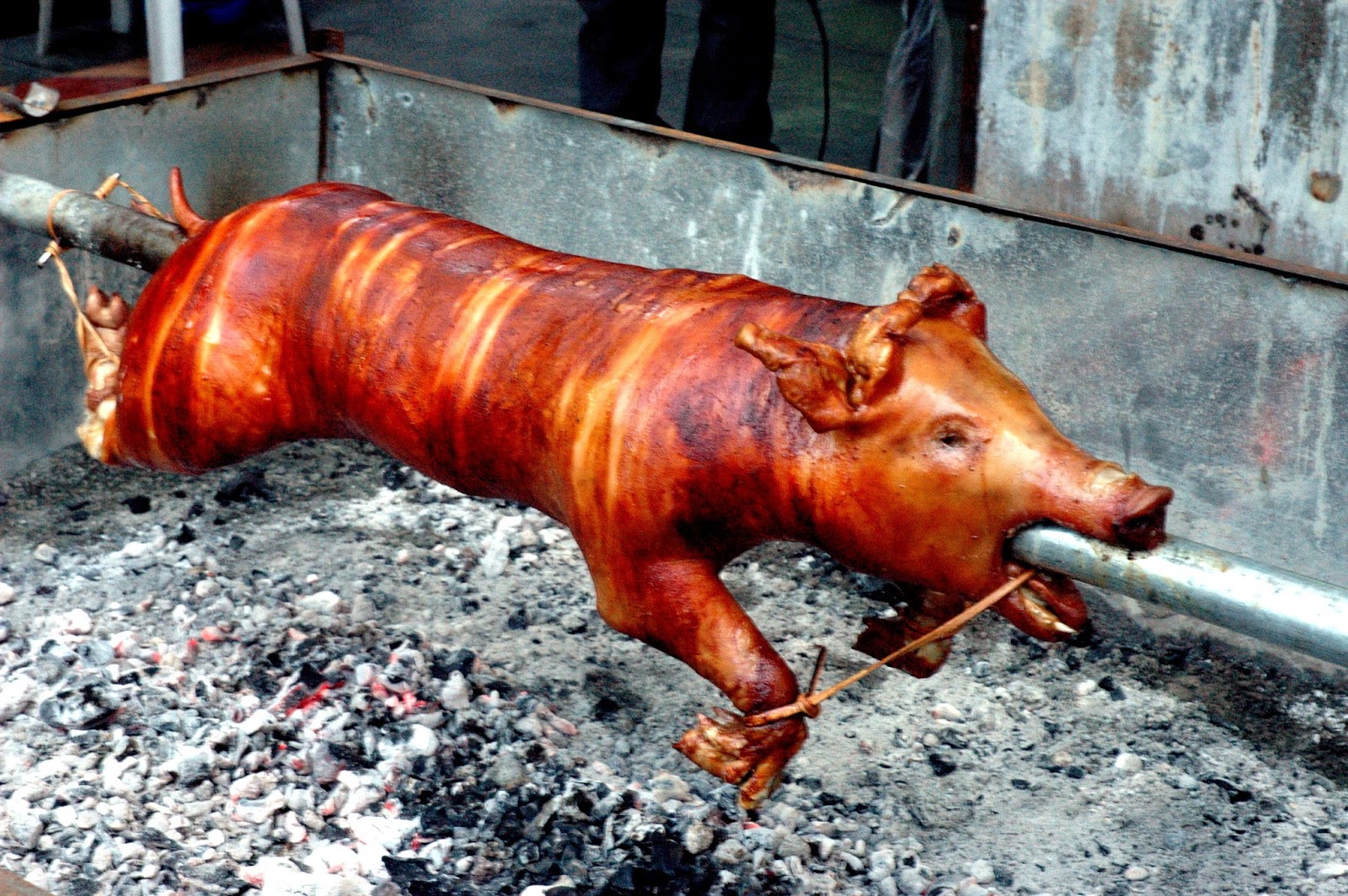


Sampling Diplahan Lechon was an experience that ranks way up there, and proof of our rich culinary heritage and diversity. To the staff of Diplahan Lechon, Bravo…and my sincere thanks for bringing the best of Mindanao closer to home.

